FAIR TRADE AND HEALTH IN THE CLOTHES AND FOOD INDUSTRY. PROJECT IDEAS.
READING.
Why Is Junk Food Cheaper?
Junk food is often cheaper than fresh and healthy food for several economic reasons. First, it is usually produced on a large industrial scale. Big food companies use machines, standardized recipes, and mass production systems that reduce costs. When millions of identical products are made in factories, the cost per unit becomes very low. This is called “economies of scale.”
Second, junk food often contains inexpensive ingredients. Many processed foods are made from corn, wheat, soy, sugar, and palm oil. In some countries, governments subsidize crops like corn and sugar, which makes them even cheaper. These ingredients are used to produce syrups, refined flours, and fats that form the base of many snacks and fast food meals.
Another reason is shelf life. Junk food is designed to last a long time without going bad. It contains preservatives and additives that prevent spoilage. Fresh fruits, vegetables, meat, and fish spoil quickly, which means supermarkets risk losing money if they are not sold in time. Processed food reduces this risk.
Marketing and distribution also play a role. Large multinational companies can negotiate lower transport and advertising costs. They can sell products worldwide at competitive prices.
However, while junk food may be cheaper at the checkout, it can be more expensive in the long term due to health problems such as obesity, diabetes, and heart disease.
Comprehension Questions
What does “economies of scale” mean?
Why are ingredients like corn and sugar so cheap?
How does shelf life affect food prices?
Why do supermarkets prefer products that last longer?
What are the possible long-term costs of cheap junk food?
TEXT 2 GLOBALIZATION.
What Is Globalization and How Does It Affect Us?
Globalization means that countries around the world are more connected than before. They buy and sell products to each other. Today, many things we use every day are made in different countries. For example, your phone may be designed in one country, produced in another country, and sold in your country.
Globalization started many years ago, during the Industrial Revolution. At that time, machines helped factories produce more goods. Later, ships, planes, and trucks made transport faster and cheaper. Today, the internet also helps companies sell products all over the world.
Globalization affects us as consumers. One positive effect is that we have more choice. In supermarkets, we can buy fruit from other continents. In shops, we can find clothes from many countries. Prices are often lower because companies produce goods where labor is cheaper.
However, there are also negative effects. Some workers in poor countries receive very low salaries and work long hours. Environmental rules may be weaker in some places, which can cause pollution. Sometimes, local businesses close because they cannot compete with big international companies.
In conclusion, globalization gives us more products at lower prices. But it also makes us responsible consumers. We should ask where products come from and how they are made before we buy them.
Comprehension Questions
What does globalization mean?
When did globalization start to grow faster?
Name one positive effect of globalization.
Name one negative effect of globalization.
Why should consumers think before they buy products?
VIDEO 1. FAIR TRADE.
📺 Comprehension Questions
🧠 Before Watching
What do you think “fair trade” means?
Have you ever seen a fair trade label on a product?
🎧 While Watching
What product does the video use as an example to explain fair trade?
Why do many farmers earn very little money in the regular market?
What do fair trade cooperatives help farmers do?
What guarantee does fair trade give to farmers when they sell their products?
What can farmers do with the extra money they receive from fair trade?
Name one environmental benefit mentioned in the video.
What does fair trade certification check before allowing a product to use the fair trade label?
💬 After Watching
Why might some people choose fair trade products even if they cost more?
Do you think fair trade is a good idea? Why or why not?
Can buying fair trade products make a difference in people’s lives? Explain.
📝 Optional Follow-Up Activity (Speaking/Writing)
Choose ONE of the questions below and prepare a short answer:
What is the most interesting thing you learned from the video?
Describe how fair trade could help a community of farmers.
Do you think fair trade should be used for clothes, food, or both? Why?
Here are engaging, age-appropriate project ideas related to business, environment, fair trade, food industry, and clothing industry, all focused on fair buying and healthy choices:
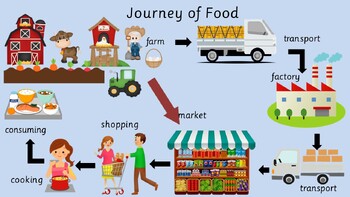
🍎 1. “From Farm to Table” – The Journey of Food
Project idea:
Students choose a product (banana, chocolate, coffee, apple juice) and investigate:
Where does it come from?
Who produces it?
Is it fair trade?
How far does it travel?
Is it healthy?
Final product options:
Poster or infographic
Short presentation
“Product life journey” timeline
Comparison: Fair Trade banana vs. conventional banana
Learning goals:
Supply chain basics
Importance of paying farmers fairly
Healthy vs. processed foods
Environmental impact of transport
🥗 2. Healthy vs. Processed: What Are We Really Buying?

Project idea:
Students compare two similar products:
Fresh orange juice vs. sugary juice drink
Homemade snack vs. packaged snack
Whole fruit vs. fruit-flavored candy
They analyze:
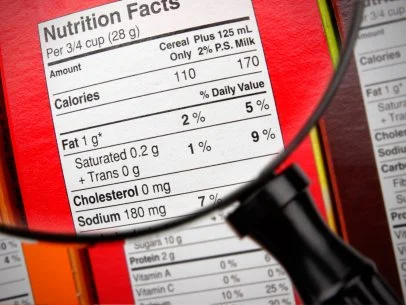
Ingredients list
Sugar content
Price
Marketing techniques
Final product:
“Smart Buyer Guide” booklet
Short commercial promoting healthy choices
Nutrition label explanation chart
Learning goals:
Critical consumer thinking
Reading labels
Understanding marketing influence
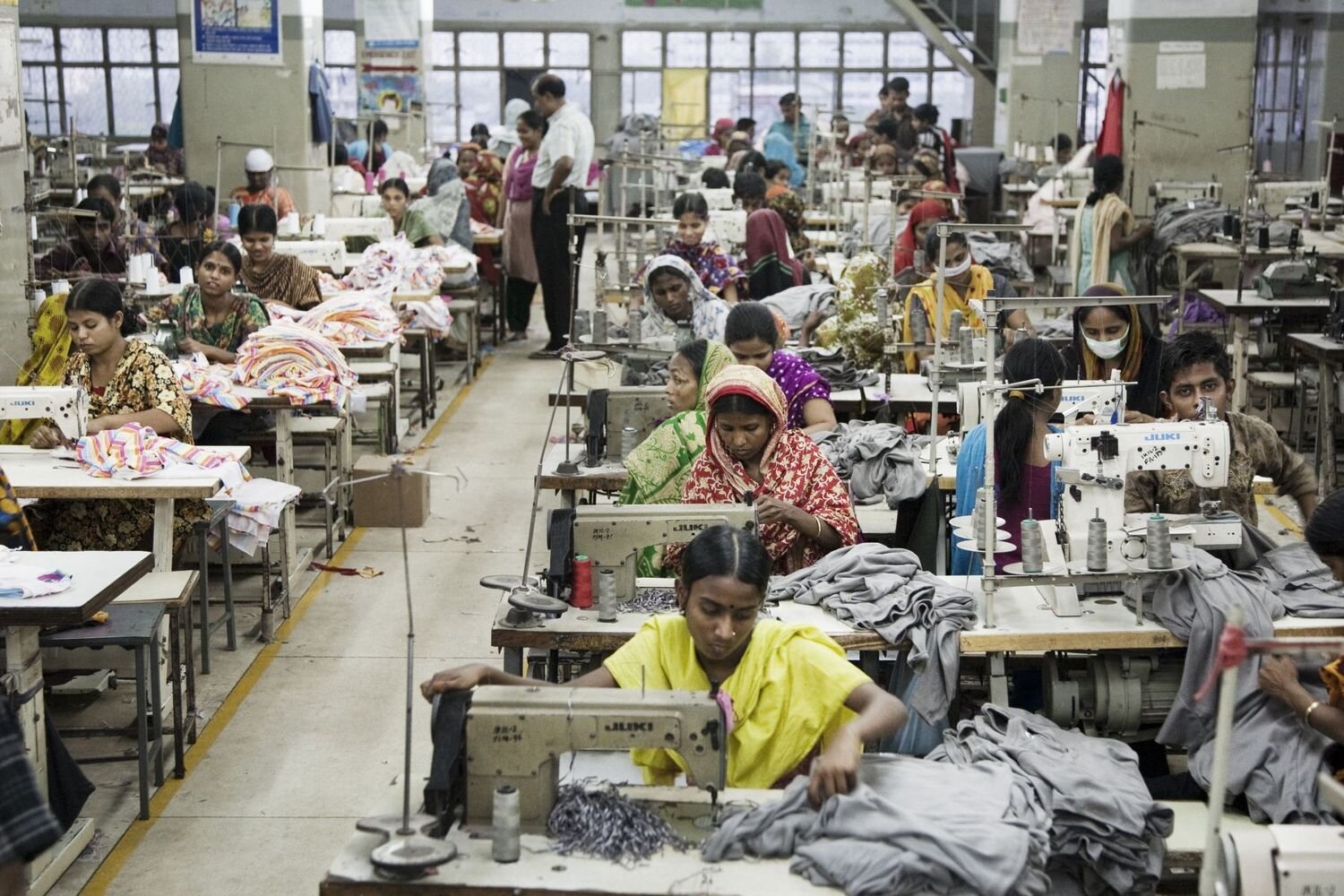
👕 3. The True Cost of a T-Shirt
Project idea:
Students investigate:
Where are clothes made?
Who makes them?
What is fast fashion?
What is fair trade clothing?
They compare:
Cheap fast-fashion T-shirt
Ethically produced T-shirt
Final product:
Awareness campaign poster
“Before You Buy” checklist
Classroom debate: Cheap vs. Fair
Learning goals:
Labor conditions
Ethical business practices
Environmental impact of clothing production
🛒 5. Supermarket Investigation Project

Project idea:
Students visit (physically or virtually) a supermarket and:
Identify fair trade products
Compare organic vs. conventional
Compare price differences
Check sugar content in snacks
Final product:
Data chart
“Top 5 Smart Buys” list
Healthy shopping guide
Learning goals:
Data collection
Price analysis
Ethical consumption awareness


Comments
Post a Comment