GREENWASHING IN TOURISM.
Greenwashing is a marketing or PR tactic where a company falsely promotes its products, policies, or overall image as environmentally friendly to appear more sustainable than it actually is. 🌱
In simple terms:
It’s when a company pretends to be “green” without making real environmental improvements.
How Greenwashing Works
Companies may use environmental language, imagery, or claims that sound good but don’t reflect real environmental benefits.
Common tactics include:
-
Vague claims: Words like “eco-friendly,” “natural,” or “green” without proof.
-
Misleading labels: Fake certifications or labels that look official.
-
Hidden trade-offs: Highlighting one small green feature while ignoring larger environmental harm.
-
No evidence: Claims with no data, studies, or verification.
-
Irrelevant claims: Saying something like “CFC-free” even though CFCs are already banned.
Simple Example
A clothing brand advertises a “sustainable collection” made with 10% recycled fabric but the rest of its production uses polluting factories and fast-fashion practices.
The company promotes the small green feature to improve its image while the overall impact remains harmful.
Why Companies Do It
-
Attract environmentally conscious customers
-
Improve brand reputation
-
Avoid stricter regulations
-
Gain competitive advantage
Why It’s a Problem
Greenwashing can:
-
Mislead consumers trying to make sustainable choices
-
Slow real environmental progress
-
Undermine genuinely sustainable companies
GREENWASHING IN TOURISM
Greenwashing in the tourism industry happens when hotels, airlines, tour operators, or destinations promote themselves as environmentally friendly without making meaningful environmental changes.
Because many travelers want to travel sustainably, tourism businesses sometimes market a “green” image mainly to attract customers, even if their operations still have large environmental impacts.
1. “Eco-friendly” Hotels That Aren’t Truly Sustainable
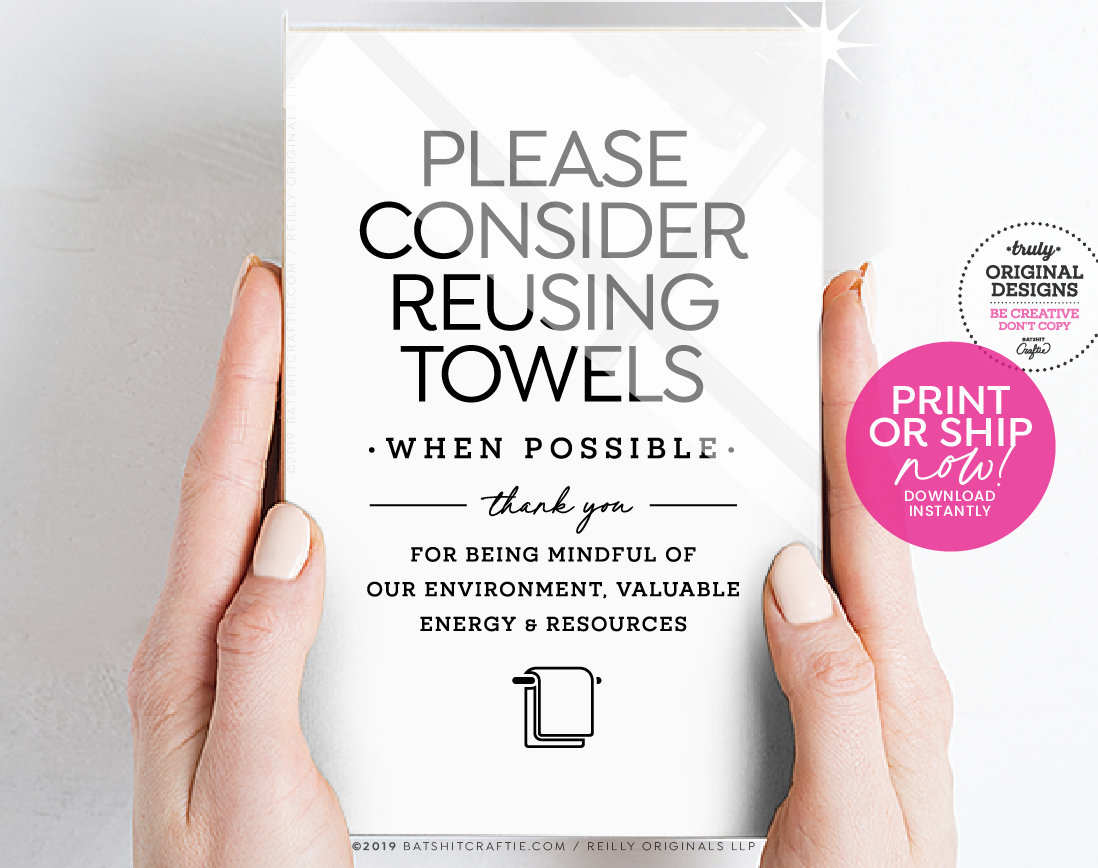
A common example is hotels encouraging guests to reuse towels to “save the planet.”
While this may reduce laundry water use, it can also be mainly a cost-saving measure, especially if the hotel:
-
Uses large amounts of energy from fossil fuels
-
Has poor waste management
-
Imports food from far away instead of sourcing locally
-
Builds large resorts that damage local ecosystems
The hotel markets the small green action, while bigger impacts are ignored.
2. “Eco-Tours” That Still Harm Nature
Some tours are marketed as “eco-adventures” or “nature tours”, but they can still damage ecosystems.
Examples:
-
Wildlife tours that disturb animals
-
Snorkeling trips that damage coral reefs
-
Elephant riding or wildlife encounters harmful to animals
-
Large tour groups entering fragile environments
3. Airlines Promoting “Carbon Neutral” Flights
Some airlines claim flights are “carbon neutral.”
Often this relies on carbon offsets—paying for projects like tree planting to compensate for emissions.
Critics say this can be greenwashing because:
-
Flights still produce large emissions
-
Offset projects may not actually remove the same amount of CO₂
-
Marketing may exaggerate the climate benefit
4. Destinations Branding Themselves “Sustainable”

Some destinations promote “sustainable tourism” branding while still dealing with overtourism.
Examples:
-
Cities overwhelmed by cruise ships
-
Fragile islands with too many visitors
-
Natural parks with heavy infrastructure
The marketing emphasizes nature and sustainability, but the actual visitor numbers may damage the environment and local communities.
WATCH THE FOLLOWING VIDEO.
How travelers can spot greenwashing in tourism
Look for tourism companies that provide:
-
Independent certifications (not self-made labels)
-
Specific environmental data (energy use, emissions, waste)
-
Local community benefits
-
Transparent sustainability reports
Be skeptical of vague terms like “eco,” “green,” or “sustainable” with no evidence.
If you'd like, I can also explain why tourism is one of the industries where greenwashing happens the most—the reasons are actually pretty interesting.


Comments
Post a Comment